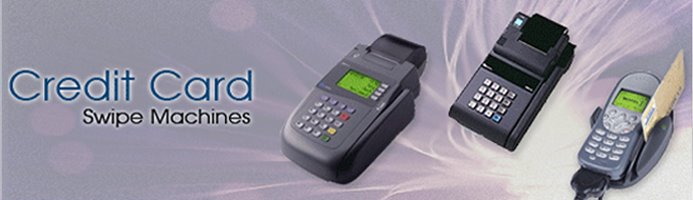
Electronic Credit Card Processing
By [http://ezinearticles.com/?expert=Thomas_Morva]Thomas Morva
The success of an online business depends on the process of accepting credit card payments. This type of payment permits you to attract both impulsive buyers and casual surfers alike. It also guarantees that you get timely payment.
Electronic credit card processing facilities handle orders directly through the Internet. This is normally a complex deal that needs the coordination of many things such as your website, your consumer?s credit card company, a payment gateway, and an account into which credits are deposited. Electronic card processing is safe and secure, and it provides the best customer service.
Three major types of electronic credit card processing are available. The first type uses a virtual machine that allows manual addition of mail. The second type involves a simple integration technique that links your site directly to the credit card and bank system. The third type uses a means for custom-linking your system to other more complex systems using a transaction gateway server.
Credit cards can be processed either in real-time or in a collective manner (batch processing). Electronic credit card processing generally has excellent real-time processing speed. The business is processed instantly and the consumer knows whether or not his card is accepted. But real-time processing has greater risk of fraud, since anybody can use a stolen card before it is reported stolen. Another disadvantage is that you cannot accept any order when the electronic credit card processor's server fails. Batch processing is ideal for smaller businesses. Here, many credit card transactions are processed jointly at a later time. The risk of fraud is moderately low.
Today, many companies offer fast, reliable and safe electronic credit card processing services. Each will work with almost all major credit cards, including Mastercard, Visa, American Express and Discover. [http://www.i-CreditCardProcessing.com]Credit Card Processing provides detailed information on Credit Card Processing, Online Credit Card Processing, Credit Card Processing Software, Wireless Credit Card Processing and more. Credit Card Processing is affiliated with [http://www.e-CreditCardTerminals.com]Wireless Credit Card Terminals.
Article Source: http://EzineArticles.com/?expert=Thomas_Morva http://EzineArticles.com/?Electronic-Credit-Card-Processing&id=353154
Friday, July 13, 2007


Monday, July 9, 2007
Credit Card Equipments
Credit Card Processing
By [http://ezinearticles.com/?expert=Thomas_Morva]Thomas Morva
Nowadays, almost all establishments accept credit card payments. This is because many consumers make their purchases using their credit cards, and establishments who do not accept credit card payments risks losing potential sales. Given this, it is then essential for any company that intends to sell products in the market to make sure that their stores can accept credit payments. There’s good news, though! Today, accepting credit cards is usually a fairly easy process because companies can gain access to the tools that they need to be able to process credit card payments from a number of sources.
Setting up a merchant account
The first step in accepting credit cards is setting up a merchant account. This will involve locating the right merchant account provider or credit card processor. Many businesses do this through the banks where they do their business banking. However, not all banks provide credit card processing services.
A good source of information is any trade associations that a business belongs to, which may have negotiated rates with a certain credit card processor that the business could contact. Another good source of leads is from other businesses that already accept credit card payments. On the other hand, given that most processors aggressively pursue clients especially start up companies, it is most likely that these processors will contact new business owners and offer them their services.
In deciding on which credit card processor to use, it is a good idea to employ canvassing strategies, which includes interviewing each credit processor and asking them questions that can help business owners pick the right processor. Some of these questions include asking them about their fees, their rates, and other services that they provide their clients. After which, business owners then should analyze which processor can give them the best deal for the credit card processing services that they are offering.
Nowadays, no business establishment should be without credit card processing capabilities. This is because given that most people make many of their purchases using their credit cards, establishments that do not accept credit card payments risk losing a significant number of sales. The good news is that today, the tools that businesses need to be able to accept credit card payments, which includes merchant accounts, are easily accessible, as there are a large number of companies that provide credit card processing services. [http://www.i-CreditCardProcessing.com]Credit Card Processing provides detailed information on Credit Card Processing, Online Credit Card Processing, Credit Card Processing Software, Wireless Credit Card Processing and more. Credit Card Processing is affiliated with [http://www.e-CreditCardTerminals.com]Wireless Credit Card Terminals.
Article Source: http://EzineArticles.com/?expert=Thomas_Morva http://EzineArticles.com/?Credit-Card-Processing&id=255743
By [http://ezinearticles.com/?expert=Thomas_Morva]Thomas Morva
Nowadays, almost all establishments accept credit card payments. This is because many consumers make their purchases using their credit cards, and establishments who do not accept credit card payments risks losing potential sales. Given this, it is then essential for any company that intends to sell products in the market to make sure that their stores can accept credit payments. There’s good news, though! Today, accepting credit cards is usually a fairly easy process because companies can gain access to the tools that they need to be able to process credit card payments from a number of sources.
Setting up a merchant account
The first step in accepting credit cards is setting up a merchant account. This will involve locating the right merchant account provider or credit card processor. Many businesses do this through the banks where they do their business banking. However, not all banks provide credit card processing services.
A good source of information is any trade associations that a business belongs to, which may have negotiated rates with a certain credit card processor that the business could contact. Another good source of leads is from other businesses that already accept credit card payments. On the other hand, given that most processors aggressively pursue clients especially start up companies, it is most likely that these processors will contact new business owners and offer them their services.
In deciding on which credit card processor to use, it is a good idea to employ canvassing strategies, which includes interviewing each credit processor and asking them questions that can help business owners pick the right processor. Some of these questions include asking them about their fees, their rates, and other services that they provide their clients. After which, business owners then should analyze which processor can give them the best deal for the credit card processing services that they are offering.
Nowadays, no business establishment should be without credit card processing capabilities. This is because given that most people make many of their purchases using their credit cards, establishments that do not accept credit card payments risk losing a significant number of sales. The good news is that today, the tools that businesses need to be able to accept credit card payments, which includes merchant accounts, are easily accessible, as there are a large number of companies that provide credit card processing services. [http://www.i-CreditCardProcessing.com]Credit Card Processing provides detailed information on Credit Card Processing, Online Credit Card Processing, Credit Card Processing Software, Wireless Credit Card Processing and more. Credit Card Processing is affiliated with [http://www.e-CreditCardTerminals.com]Wireless Credit Card Terminals.
Article Source: http://EzineArticles.com/?expert=Thomas_Morva http://EzineArticles.com/?Credit-Card-Processing&id=255743
Friday, July 6, 2007
Credit Card Equipments
Credit Card Processing Terminals
By [http://ezinearticles.com/?expert=Thomas_Morva]Thomas Morva
Today, about 80% of customers choose credit cards to pay for online products and services. If an online firm doesn?t possess credit card payment facilities, certainly it loses consumers and sales. Credit card payments are safe and secure, and they guarantee the best customer service. Besides, these payments give a more professional look to any business.
Several different types of credit card processing terminals are available in today's market. These terminals are also referred to as point of sale (POS) terminals. Their type and style depend on the kind of business and style of credit card processing. Prices also vary according to their functions and the technology they use.
Card readers with a small keypad and display are the most basic form of the POS. These are the most economical type of terminals. A credit card processing terminal first checks the customer?s card information. After that, it withdraws money for the purchase from his account and places it directly into the merchant account.
Most merchants prefer a terminal without an attached printer, while retail merchants usually go for a terminal with an integrated printer. There are also wireless machines that are more costly, but the processing volume supports their cost. Wireless credit card processing terminals are mainly used for businesses that continually change their location. Door-to-door salesmen, taxi cab drivers, and seasonal shop owners are the main other consumers of wireless terminals.
Manual credit card processing is a difficult task and it is more time consuming too. The finest choice is to automate your manual credit card processing machine, if possible. Credit card processing machines use different software packages that provide for instant processing, and encrypted SSL (secure socket layer) for safe deals. Of course, any leaks or losses of personal information immediately break the credibility of a business.
Some latest credit card processing terminals can handle multiple merchant accounts. Examples include Nurit 2085, Omni 3750, Nurit 3020, Omni 3740, and Verifone Tranz 380x2. All these terminals provide retailers a fast, low-cost way to approve and process credit card sales. [http://www.i-CreditCardProcessing.com]Credit Card Processing provides detailed information on Credit Card Processing, Online Credit Card Processing, Credit Card Processing Software, Wireless Credit Card Processing and more. Credit Card Processing is affiliated with [http://www.e-CreditCardTerminals.com]Wireless Credit Card Terminals.
Article Source: http://EzineArticles.com/?expert=Thomas_Morva http://EzineArticles.com/?Credit-Card-Processing-Terminals&id=353153
By [http://ezinearticles.com/?expert=Thomas_Morva]Thomas Morva
Today, about 80% of customers choose credit cards to pay for online products and services. If an online firm doesn?t possess credit card payment facilities, certainly it loses consumers and sales. Credit card payments are safe and secure, and they guarantee the best customer service. Besides, these payments give a more professional look to any business.
Several different types of credit card processing terminals are available in today's market. These terminals are also referred to as point of sale (POS) terminals. Their type and style depend on the kind of business and style of credit card processing. Prices also vary according to their functions and the technology they use.
Card readers with a small keypad and display are the most basic form of the POS. These are the most economical type of terminals. A credit card processing terminal first checks the customer?s card information. After that, it withdraws money for the purchase from his account and places it directly into the merchant account.
Most merchants prefer a terminal without an attached printer, while retail merchants usually go for a terminal with an integrated printer. There are also wireless machines that are more costly, but the processing volume supports their cost. Wireless credit card processing terminals are mainly used for businesses that continually change their location. Door-to-door salesmen, taxi cab drivers, and seasonal shop owners are the main other consumers of wireless terminals.
Manual credit card processing is a difficult task and it is more time consuming too. The finest choice is to automate your manual credit card processing machine, if possible. Credit card processing machines use different software packages that provide for instant processing, and encrypted SSL (secure socket layer) for safe deals. Of course, any leaks or losses of personal information immediately break the credibility of a business.
Some latest credit card processing terminals can handle multiple merchant accounts. Examples include Nurit 2085, Omni 3750, Nurit 3020, Omni 3740, and Verifone Tranz 380x2. All these terminals provide retailers a fast, low-cost way to approve and process credit card sales. [http://www.i-CreditCardProcessing.com]Credit Card Processing provides detailed information on Credit Card Processing, Online Credit Card Processing, Credit Card Processing Software, Wireless Credit Card Processing and more. Credit Card Processing is affiliated with [http://www.e-CreditCardTerminals.com]Wireless Credit Card Terminals.
Article Source: http://EzineArticles.com/?expert=Thomas_Morva http://EzineArticles.com/?Credit-Card-Processing-Terminals&id=353153
Wednesday, July 4, 2007
Credit Card Equipments
Credit Card Lingo
By Max Hunter
Knowing What’s Out There – And What To Choose
The World of finance can be a tricky game for both the seasoned
veteran and the novice borrower. Banks can – by accident or
design – make even the most simple information seem complicated
and through this unwittingly (or not) induce their customers to
go for products that might not be best suited to their needs.
Credit, charge, ATM and debit cards are not all alike. Although
you might think that they are basically the same thing – a way
of making payment for purchases or means of getting cash – they
are actually quite different. So as to use these cards wisely,
you should know what each one is and how it differs from the
others. Here’s some information to help you choose wisely.
Credit Cards
Credit cards can be a great way of paying for a purchase. They
are easy to apply for, easy to use, and flexible in their
repayment options. However, if you carry a balance, credit
cards can be like very expensive loans.
A credit card works like this: the credit card company supplies
you with a card; you use that card to pay for items and services
up to a certain total amount -- your credit ‘limit.’ The store
or service provider then collects what you owe from the card
issuer, whom you repay. You're then allowed to pay off as much
or almost as little as you like off the balance each month, so
long as you pay a minimum amount each time (usually 2.5 per
cent).
On the outstanding balance you’re charged interest (which can
be as high as 25% or more each year) at the end of each monthly
period, unless you pay the full balance each time your bill
arrives.
Credit cards are immensely profitable for issuers for a variety
of reasons. The high rate of interest yields issuing banks and
companies vast profits – in some cases the bulk of an
institution’s earnings. In addition to the interest, many
companies charge an annual membership fee for a credit card, as
well as a plethora of other charges, including late fees,
over-the-limit fees and other miscellaneous charges. Companies
also profit by charging stores a fee each time a customer uses
a credit card in their establishment.
There are three different types of credit card available:
Unsecured Credit Cards
These cards are commonly made available to those with good
credit history and credit score. These cards require no bank
deposit amounts to secure and usually have no annual fees and
low rate of interest.
Higher Risk Credit Cards
These cards are usually given to people who have a lower paying
job, and/or poor credit history and credit score. Often these
cards charge an activation fee, and also usually charge an
annual fee of up to $80.
Secured Credit Cards
These cards are given to people who have a lower paying job,
and/or a very poor credit history and credit score. Often these
cards require a deposit to be made to the lender, sometimes as
much as near or equal to the amount of credit available on the
card. If the borrower can prove their credit worthiness over
time, that credit limit is then upped. These cards also attract
a high annual fee of up to $100 and charge high rates of
interest.
Charge Cards
Charge cards (also known as travel and entertainment cards) are
slightly from credit cards. The most famous charge cards, such
as American Express and Diners Club, have an unlimited credit
limit. Normally you can charge as much as you like, but you are
required to pay off your balance in full when your bill arrives.
There’s one exception to this: If you charge air fare, cruise
fees or hotel charges booked through a travel agent on an
American Express card, you have an option to pay off your
balance over 36 months. There’s a sting in the tail, however:
you'll be charged around 20 per cent interest and will have to
make minimum monthly payments of $20.
The way charge card companies like American Express make their
profits is by charging very high annual fees – up to $100 – and
by hitting merchants with relatively high charges each time a
customer pays using their card.
If you don't pay your charge card bill in full (unless the
charges are travel expenses on an American Express card),
you'll get a one-month period of grace, when no interest is
charged. Beyond that, however, you'll be charged interest,
which weighs in at about 18 per cent. After about three months,
if your account is still not settled, your account will be
closed and your bill sent to the collections department.
Cash Advances
Some people use their credit or charge cards to obtain cash
advances. This can be an expensive way of accessing cash. Most
banks charge a transaction fee that can be as much as 4% for
taking a cash advance. Interest is also charged from the date
the cash advance is posted, even if it’s paid back in full when
your bill arrives. Moreover, the interest rate is usually higher
on cash advances than on ordinary credit card charges.
ATM & Debit Cards
ATM and debit cards offer most of the same functions as credit
and charge cards, but the crucial difference is that the money
comes out of your bank account straight away. If you don’t have
the money, you can’t buy the product.
For some people this is a preferable option: they like to keep
track of their outgoings, to keep tabs on what they’ve spent,
to avoid any sort of debt – no matter how brief.
There are disadvantages to using debit cards. It doesn’t give
you the option of up to a month to settle your statement. You
also don't have the right to withhold payment with a debit card
(the money is immediately removed from the account) in the event
of a dispute with the merchant over the goods or services paid
for. Some banks and merchants also charge transaction fees for
the use of debit cards.
About the Author: Max Hunter is the author of many credit
related articles. If you are looking for help with Home Loans
or any other type of credit issue please visit us at
http://www.creditcardunlimited.com
Source: http://www.isnare.com
By Max Hunter
Knowing What’s Out There – And What To Choose
The World of finance can be a tricky game for both the seasoned
veteran and the novice borrower. Banks can – by accident or
design – make even the most simple information seem complicated
and through this unwittingly (or not) induce their customers to
go for products that might not be best suited to their needs.
Credit, charge, ATM and debit cards are not all alike. Although
you might think that they are basically the same thing – a way
of making payment for purchases or means of getting cash – they
are actually quite different. So as to use these cards wisely,
you should know what each one is and how it differs from the
others. Here’s some information to help you choose wisely.
Credit Cards
Credit cards can be a great way of paying for a purchase. They
are easy to apply for, easy to use, and flexible in their
repayment options. However, if you carry a balance, credit
cards can be like very expensive loans.
A credit card works like this: the credit card company supplies
you with a card; you use that card to pay for items and services
up to a certain total amount -- your credit ‘limit.’ The store
or service provider then collects what you owe from the card
issuer, whom you repay. You're then allowed to pay off as much
or almost as little as you like off the balance each month, so
long as you pay a minimum amount each time (usually 2.5 per
cent).
On the outstanding balance you’re charged interest (which can
be as high as 25% or more each year) at the end of each monthly
period, unless you pay the full balance each time your bill
arrives.
Credit cards are immensely profitable for issuers for a variety
of reasons. The high rate of interest yields issuing banks and
companies vast profits – in some cases the bulk of an
institution’s earnings. In addition to the interest, many
companies charge an annual membership fee for a credit card, as
well as a plethora of other charges, including late fees,
over-the-limit fees and other miscellaneous charges. Companies
also profit by charging stores a fee each time a customer uses
a credit card in their establishment.
There are three different types of credit card available:
Unsecured Credit Cards
These cards are commonly made available to those with good
credit history and credit score. These cards require no bank
deposit amounts to secure and usually have no annual fees and
low rate of interest.
Higher Risk Credit Cards
These cards are usually given to people who have a lower paying
job, and/or poor credit history and credit score. Often these
cards charge an activation fee, and also usually charge an
annual fee of up to $80.
Secured Credit Cards
These cards are given to people who have a lower paying job,
and/or a very poor credit history and credit score. Often these
cards require a deposit to be made to the lender, sometimes as
much as near or equal to the amount of credit available on the
card. If the borrower can prove their credit worthiness over
time, that credit limit is then upped. These cards also attract
a high annual fee of up to $100 and charge high rates of
interest.
Charge Cards
Charge cards (also known as travel and entertainment cards) are
slightly from credit cards. The most famous charge cards, such
as American Express and Diners Club, have an unlimited credit
limit. Normally you can charge as much as you like, but you are
required to pay off your balance in full when your bill arrives.
There’s one exception to this: If you charge air fare, cruise
fees or hotel charges booked through a travel agent on an
American Express card, you have an option to pay off your
balance over 36 months. There’s a sting in the tail, however:
you'll be charged around 20 per cent interest and will have to
make minimum monthly payments of $20.
The way charge card companies like American Express make their
profits is by charging very high annual fees – up to $100 – and
by hitting merchants with relatively high charges each time a
customer pays using their card.
If you don't pay your charge card bill in full (unless the
charges are travel expenses on an American Express card),
you'll get a one-month period of grace, when no interest is
charged. Beyond that, however, you'll be charged interest,
which weighs in at about 18 per cent. After about three months,
if your account is still not settled, your account will be
closed and your bill sent to the collections department.
Cash Advances
Some people use their credit or charge cards to obtain cash
advances. This can be an expensive way of accessing cash. Most
banks charge a transaction fee that can be as much as 4% for
taking a cash advance. Interest is also charged from the date
the cash advance is posted, even if it’s paid back in full when
your bill arrives. Moreover, the interest rate is usually higher
on cash advances than on ordinary credit card charges.
ATM & Debit Cards
ATM and debit cards offer most of the same functions as credit
and charge cards, but the crucial difference is that the money
comes out of your bank account straight away. If you don’t have
the money, you can’t buy the product.
For some people this is a preferable option: they like to keep
track of their outgoings, to keep tabs on what they’ve spent,
to avoid any sort of debt – no matter how brief.
There are disadvantages to using debit cards. It doesn’t give
you the option of up to a month to settle your statement. You
also don't have the right to withhold payment with a debit card
(the money is immediately removed from the account) in the event
of a dispute with the merchant over the goods or services paid
for. Some banks and merchants also charge transaction fees for
the use of debit cards.
About the Author: Max Hunter is the author of many credit
related articles. If you are looking for help with Home Loans
or any other type of credit issue please visit us at
http://www.creditcardunlimited.com
Source: http://www.isnare.com
Tuesday, July 3, 2007
Credit Card Equipments
Credit Card Skimming
By Michael Russell
Credit card skimming is an international problem accounting for losses of over one-billion dollars a year. This type of credit card scam is common in Europe, Asia and Latin America and is starting to show up more in the United States.
This scam is easy to run - it can happen when you give your credit card to a store employee to make a purchase. That employee may not only swipe your card for payment, but also swipe the card with a small machine they hold in their hand known as a skimmer. This small device will store the information from your card into its system. The skimmer is equipped to hold information on hundreds of credit cards and from this information, the crooks are able to produce counterfeit cards.
There are skimming rings working all over the world and once your information is put into the skimmer, it is then downloaded into a computer, ready to be emailed to anyone worldwide.
A decade ago, this fraud was not as easy to accomplish as it is today, due to the fact skimmers were very large and had to be hidden under counters. However, with the advance of technology in the past ten years, they have been able to streamline the skimmer, making it small enough to be hand-held and out of sight of the unwary customer making a purchase. These skimmers are easy to buy; in fact, they can be purchased over the internet at around $300. The machine needed to make counterfeit credit cards is a much larger investment - costing $5,000 to $10,000.
Another form of this scam is done by actually pulling information directly from the credit card terminals. A skimmer bug is placed into the terminal and later retrieved with credit card information on it. Only the older terminals can be violated in this way and with the onset of new credit card terminals, this has alleviated much of this bugging.
As soon as the crooks have their needed information on you, they will start their shopping sprees using your credit card number. They purchase all types of merchandise and charge it to your credit card. Over half of credit card fraud is done over the internet with online purchases. With shopping on the internet becoming more and more popular, card fraud on the internet has also increased.
The crooks will also use the internet to verify the card information is valid. They will purchase many low-ticket items through various websites, checking to see if the card is active. Internet processing of card purchases is done by real-time processing and not handled by a person; thus, no chance of them being caught trying to use a stolen card number.
The cardholder is a victim of this crime and is responsible for up to $50 of the total amount charged on his card, while the real victim in all of this is the merchant whose employee did the skimming. The merchant is held 100% responsible and risks losing the merchandise, and is responsible for paying the fees of the investigation. Investigation fees paid by consumers and businesses in 2003 amounted to an estimated half-billion dollars in annual revenue for credit card companies. This money is used by the card companies to offset costs to investigate charge back claims by their customers.
The crook who perpetrates this card fraud, for the most part, goes unpunished. There is a limit of $2,000 before a criminal investigation can be started; the crooks know this and will not exceed $2,000 on their purchases from any one business. Thus, they are pretty much free to continue to victimize consumers and businesses.
Michael Russell
Your Independent guide to Credit Cards
Article Source: http://EzineArticles.com/?expert=Michael_Russell
http://EzineArticles.com/?Credit-Card-Skimming&id=363585
By Michael Russell
Credit card skimming is an international problem accounting for losses of over one-billion dollars a year. This type of credit card scam is common in Europe, Asia and Latin America and is starting to show up more in the United States.
This scam is easy to run - it can happen when you give your credit card to a store employee to make a purchase. That employee may not only swipe your card for payment, but also swipe the card with a small machine they hold in their hand known as a skimmer. This small device will store the information from your card into its system. The skimmer is equipped to hold information on hundreds of credit cards and from this information, the crooks are able to produce counterfeit cards.
There are skimming rings working all over the world and once your information is put into the skimmer, it is then downloaded into a computer, ready to be emailed to anyone worldwide.
A decade ago, this fraud was not as easy to accomplish as it is today, due to the fact skimmers were very large and had to be hidden under counters. However, with the advance of technology in the past ten years, they have been able to streamline the skimmer, making it small enough to be hand-held and out of sight of the unwary customer making a purchase. These skimmers are easy to buy; in fact, they can be purchased over the internet at around $300. The machine needed to make counterfeit credit cards is a much larger investment - costing $5,000 to $10,000.
Another form of this scam is done by actually pulling information directly from the credit card terminals. A skimmer bug is placed into the terminal and later retrieved with credit card information on it. Only the older terminals can be violated in this way and with the onset of new credit card terminals, this has alleviated much of this bugging.
As soon as the crooks have their needed information on you, they will start their shopping sprees using your credit card number. They purchase all types of merchandise and charge it to your credit card. Over half of credit card fraud is done over the internet with online purchases. With shopping on the internet becoming more and more popular, card fraud on the internet has also increased.
The crooks will also use the internet to verify the card information is valid. They will purchase many low-ticket items through various websites, checking to see if the card is active. Internet processing of card purchases is done by real-time processing and not handled by a person; thus, no chance of them being caught trying to use a stolen card number.
The cardholder is a victim of this crime and is responsible for up to $50 of the total amount charged on his card, while the real victim in all of this is the merchant whose employee did the skimming. The merchant is held 100% responsible and risks losing the merchandise, and is responsible for paying the fees of the investigation. Investigation fees paid by consumers and businesses in 2003 amounted to an estimated half-billion dollars in annual revenue for credit card companies. This money is used by the card companies to offset costs to investigate charge back claims by their customers.
The crook who perpetrates this card fraud, for the most part, goes unpunished. There is a limit of $2,000 before a criminal investigation can be started; the crooks know this and will not exceed $2,000 on their purchases from any one business. Thus, they are pretty much free to continue to victimize consumers and businesses.
Michael Russell
Your Independent guide to Credit Cards
Article Source: http://EzineArticles.com/?expert=Michael_Russell
http://EzineArticles.com/?Credit-Card-Skimming&id=363585
Monday, May 14, 2007
Credit Card Equipments
Credit Card Lingo
By Max Hunter
Knowing What’s Out There – And What To Choose
The World of finance can be a tricky game for both the seasoned
veteran and the novice borrower. Banks can – by accident or
design – make even the most simple information seem complicated
and through this unwittingly (or not) induce their customers to
go for products that might not be best suited to their needs.
Credit, charge, ATM and debit cards are not all alike. Although
you might think that they are basically the same thing – a way
of making payment for purchases or means of getting cash – they
are actually quite different. So as to use these cards wisely,
you should know what each one is and how it differs from the
others. Here’s some information to help you choose wisely.
Credit Cards
Credit cards can be a great way of paying for a purchase. They
are easy to apply for, easy to use, and flexible in their
repayment options. However, if you carry a balance, credit
cards can be like very expensive loans.
A credit card works like this: the credit card company supplies
you with a card; you use that card to pay for items and services
up to a certain total amount -- your credit ‘limit.’ The store
or service provider then collects what you owe from the card
issuer, whom you repay. You're then allowed to pay off as much
or almost as little as you like off the balance each month, so
long as you pay a minimum amount each time (usually 2.5 per
cent).
On the outstanding balance you’re charged interest (which can
be as high as 25% or more each year) at the end of each monthly
period, unless you pay the full balance each time your bill
arrives.
Credit cards are immensely profitable for issuers for a variety
of reasons. The high rate of interest yields issuing banks and
companies vast profits – in some cases the bulk of an
institution’s earnings. In addition to the interest, many
companies charge an annual membership fee for a credit card, as
well as a plethora of other charges, including late fees,
over-the-limit fees and other miscellaneous charges. Companies
also profit by charging stores a fee each time a customer uses
a credit card in their establishment.
There are three different types of credit card available:
Unsecured Credit Cards
These cards are commonly made available to those with good
credit history and credit score. These cards require no bank
deposit amounts to secure and usually have no annual fees and
low rate of interest.
Higher Risk Credit Cards
These cards are usually given to people who have a lower paying
job, and/or poor credit history and credit score. Often these
cards charge an activation fee, and also usually charge an
annual fee of up to $80.
Secured Credit Cards
These cards are given to people who have a lower paying job,
and/or a very poor credit history and credit score. Often these
cards require a deposit to be made to the lender, sometimes as
much as near or equal to the amount of credit available on the
card. If the borrower can prove their credit worthiness over
time, that credit limit is then upped. These cards also attract
a high annual fee of up to $100 and charge high rates of
interest.
Charge Cards
Charge cards (also known as travel and entertainment cards) are
slightly from credit cards. The most famous charge cards, such
as American Express and Diners Club, have an unlimited credit
limit. Normally you can charge as much as you like, but you are
required to pay off your balance in full when your bill arrives.
There’s one exception to this: If you charge air fare, cruise
fees or hotel charges booked through a travel agent on an
American Express card, you have an option to pay off your
balance over 36 months. There’s a sting in the tail, however:
you'll be charged around 20 per cent interest and will have to
make minimum monthly payments of $20.
The way charge card companies like American Express make their
profits is by charging very high annual fees – up to $100 – and
by hitting merchants with relatively high charges each time a
customer pays using their card.
If you don't pay your charge card bill in full (unless the
charges are travel expenses on an American Express card),
you'll get a one-month period of grace, when no interest is
charged. Beyond that, however, you'll be charged interest,
which weighs in at about 18 per cent. After about three months,
if your account is still not settled, your account will be
closed and your bill sent to the collections department.
Cash Advances
Some people use their credit or charge cards to obtain cash
advances. This can be an expensive way of accessing cash. Most
banks charge a transaction fee that can be as much as 4% for
taking a cash advance. Interest is also charged from the date
the cash advance is posted, even if it’s paid back in full when
your bill arrives. Moreover, the interest rate is usually higher
on cash advances than on ordinary credit card charges.
ATM & Debit Cards
ATM and debit cards offer most of the same functions as credit
and charge cards, but the crucial difference is that the money
comes out of your bank account straight away. If you don’t have
the money, you can’t buy the product.
For some people this is a preferable option: they like to keep
track of their outgoings, to keep tabs on what they’ve spent,
to avoid any sort of debt – no matter how brief.
There are disadvantages to using debit cards. It doesn’t give
you the option of up to a month to settle your statement. You
also don't have the right to withhold payment with a debit card
(the money is immediately removed from the account) in the event
of a dispute with the merchant over the goods or services paid
for. Some banks and merchants also charge transaction fees for
the use of debit cards.
About the Author: Max Hunter is the author of many credit
related articles. If you are looking for help with Home Loans
or any other type of credit issue please visit us at
http://www.creditcardunlimited.com
Source: http://www.isnare.com
By Max Hunter
Knowing What’s Out There – And What To Choose
The World of finance can be a tricky game for both the seasoned
veteran and the novice borrower. Banks can – by accident or
design – make even the most simple information seem complicated
and through this unwittingly (or not) induce their customers to
go for products that might not be best suited to their needs.
Credit, charge, ATM and debit cards are not all alike. Although
you might think that they are basically the same thing – a way
of making payment for purchases or means of getting cash – they
are actually quite different. So as to use these cards wisely,
you should know what each one is and how it differs from the
others. Here’s some information to help you choose wisely.
Credit Cards
Credit cards can be a great way of paying for a purchase. They
are easy to apply for, easy to use, and flexible in their
repayment options. However, if you carry a balance, credit
cards can be like very expensive loans.
A credit card works like this: the credit card company supplies
you with a card; you use that card to pay for items and services
up to a certain total amount -- your credit ‘limit.’ The store
or service provider then collects what you owe from the card
issuer, whom you repay. You're then allowed to pay off as much
or almost as little as you like off the balance each month, so
long as you pay a minimum amount each time (usually 2.5 per
cent).
On the outstanding balance you’re charged interest (which can
be as high as 25% or more each year) at the end of each monthly
period, unless you pay the full balance each time your bill
arrives.
Credit cards are immensely profitable for issuers for a variety
of reasons. The high rate of interest yields issuing banks and
companies vast profits – in some cases the bulk of an
institution’s earnings. In addition to the interest, many
companies charge an annual membership fee for a credit card, as
well as a plethora of other charges, including late fees,
over-the-limit fees and other miscellaneous charges. Companies
also profit by charging stores a fee each time a customer uses
a credit card in their establishment.
There are three different types of credit card available:
Unsecured Credit Cards
These cards are commonly made available to those with good
credit history and credit score. These cards require no bank
deposit amounts to secure and usually have no annual fees and
low rate of interest.
Higher Risk Credit Cards
These cards are usually given to people who have a lower paying
job, and/or poor credit history and credit score. Often these
cards charge an activation fee, and also usually charge an
annual fee of up to $80.
Secured Credit Cards
These cards are given to people who have a lower paying job,
and/or a very poor credit history and credit score. Often these
cards require a deposit to be made to the lender, sometimes as
much as near or equal to the amount of credit available on the
card. If the borrower can prove their credit worthiness over
time, that credit limit is then upped. These cards also attract
a high annual fee of up to $100 and charge high rates of
interest.
Charge Cards
Charge cards (also known as travel and entertainment cards) are
slightly from credit cards. The most famous charge cards, such
as American Express and Diners Club, have an unlimited credit
limit. Normally you can charge as much as you like, but you are
required to pay off your balance in full when your bill arrives.
There’s one exception to this: If you charge air fare, cruise
fees or hotel charges booked through a travel agent on an
American Express card, you have an option to pay off your
balance over 36 months. There’s a sting in the tail, however:
you'll be charged around 20 per cent interest and will have to
make minimum monthly payments of $20.
The way charge card companies like American Express make their
profits is by charging very high annual fees – up to $100 – and
by hitting merchants with relatively high charges each time a
customer pays using their card.
If you don't pay your charge card bill in full (unless the
charges are travel expenses on an American Express card),
you'll get a one-month period of grace, when no interest is
charged. Beyond that, however, you'll be charged interest,
which weighs in at about 18 per cent. After about three months,
if your account is still not settled, your account will be
closed and your bill sent to the collections department.
Cash Advances
Some people use their credit or charge cards to obtain cash
advances. This can be an expensive way of accessing cash. Most
banks charge a transaction fee that can be as much as 4% for
taking a cash advance. Interest is also charged from the date
the cash advance is posted, even if it’s paid back in full when
your bill arrives. Moreover, the interest rate is usually higher
on cash advances than on ordinary credit card charges.
ATM & Debit Cards
ATM and debit cards offer most of the same functions as credit
and charge cards, but the crucial difference is that the money
comes out of your bank account straight away. If you don’t have
the money, you can’t buy the product.
For some people this is a preferable option: they like to keep
track of their outgoings, to keep tabs on what they’ve spent,
to avoid any sort of debt – no matter how brief.
There are disadvantages to using debit cards. It doesn’t give
you the option of up to a month to settle your statement. You
also don't have the right to withhold payment with a debit card
(the money is immediately removed from the account) in the event
of a dispute with the merchant over the goods or services paid
for. Some banks and merchants also charge transaction fees for
the use of debit cards.
About the Author: Max Hunter is the author of many credit
related articles. If you are looking for help with Home Loans
or any other type of credit issue please visit us at
http://www.creditcardunlimited.com
Source: http://www.isnare.com
Saturday, May 12, 2007
Credit Card Equipments
Mobile Credit Card Processing Equipment
By Thomas Morva
In today's business environment, credit card processing equipment is an essential tool for completing an online transaction. Compared to traditional credit card processing services, mobile credit card processing ensures faster payment, increases overall sales and credibility, and saves a lot of money. A well maintained mobile credit card processing equipment is a must for such transactions. Mobile credit card machines are useful for those merchants who like to take their business to the customers. The functioning of a mobile credit card machine is simple. By swiping the customer's credit card through the mobile credit card processing equipment, all the transaction processes are done automatically in real time. When the merchant gets the authorization, a printed receipt is given to the customer.
Mobile credit card processing equipment helps in accepting payments through online credit cards as well as by telephone. With its state-of-the-art technology, mobile credit card processing equipment provides a secure payment gateway that enables fraud screening and also real time reporting of every transaction. For an online transaction, only a virtual terminal is needed. This enables you to get all the services through the Internet.
Mobile credit card processing equipment has certain added advantages when compared to traditional wireless merchant accounts. They include low monthly charges, low processing fee and no monthly minimum processing charge. Today, the wireless mobile credit card processing equipment is the latest in convenience and portability.
Many business concerns sign a contract with mobile credit card processing equipment companies for their services. These contracts might be for 2 to 5 years, a fact which is often unknown to the firm. Consequently, if a firm needs to terminate a contract, a cancellation fee is charged by these companies. So care should be while choosing the services of such companies.
Credit Card Processing provides detailed information on Credit Card Processing, Online Credit Card Processing, Credit Card Processing Software, Wireless Credit Card Processing and more. Credit Card Processing is affiliated with Wireless Credit Card Terminals.
Article Source: http://EzineArticles.com/?expert=Thomas_Morva
http://EzineArticles.com/?Mobile-Credit-Card-Processing-Equipment&id=353158
By Thomas Morva
In today's business environment, credit card processing equipment is an essential tool for completing an online transaction. Compared to traditional credit card processing services, mobile credit card processing ensures faster payment, increases overall sales and credibility, and saves a lot of money. A well maintained mobile credit card processing equipment is a must for such transactions. Mobile credit card machines are useful for those merchants who like to take their business to the customers. The functioning of a mobile credit card machine is simple. By swiping the customer's credit card through the mobile credit card processing equipment, all the transaction processes are done automatically in real time. When the merchant gets the authorization, a printed receipt is given to the customer.
Mobile credit card processing equipment helps in accepting payments through online credit cards as well as by telephone. With its state-of-the-art technology, mobile credit card processing equipment provides a secure payment gateway that enables fraud screening and also real time reporting of every transaction. For an online transaction, only a virtual terminal is needed. This enables you to get all the services through the Internet.
Mobile credit card processing equipment has certain added advantages when compared to traditional wireless merchant accounts. They include low monthly charges, low processing fee and no monthly minimum processing charge. Today, the wireless mobile credit card processing equipment is the latest in convenience and portability.
Many business concerns sign a contract with mobile credit card processing equipment companies for their services. These contracts might be for 2 to 5 years, a fact which is often unknown to the firm. Consequently, if a firm needs to terminate a contract, a cancellation fee is charged by these companies. So care should be while choosing the services of such companies.
Credit Card Processing provides detailed information on Credit Card Processing, Online Credit Card Processing, Credit Card Processing Software, Wireless Credit Card Processing and more. Credit Card Processing is affiliated with Wireless Credit Card Terminals.
Article Source: http://EzineArticles.com/?expert=Thomas_Morva
http://EzineArticles.com/?Mobile-Credit-Card-Processing-Equipment&id=353158
Subscribe to:
Posts (Atom)